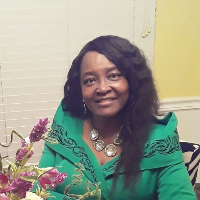
Linda Allen, LMHC
Therapist in Florida
Linda Allen is a Licensed Mental Health Counselor (LMHC) practicing in Florida.
- Licensed inFlorida
- LicenseMH12627
- NPI 1700371861
- Experience20+ years
- LanguagesEnglish
Details are as listed on the therapist's public professional profile. You can check any license with the state board and any NPI with the national registry.
About Linda
Linda Allen is a Licensed Mental Health Counselor (LMHC) practicing in Florida. She brings 20 years of clinical experience and a practical, down-to-earth style to sessions. Linda focuses on helping people manage stress, anxiety, addictions, relationship struggles, low self-esteem, and depression.
She works with adults who are seeking clear steps and steady support. Linda uses attachment-informed ideas alongside client-centered and cognitive behavioral methods. She draws on her history as a foster care worker and child welfare professional when family of origin, adoption, or caregiver stress come up.
Background and approach
Her background also includes work with domestic violence, dependency, delinquency, and court-involved cases in Florida. In the therapy room she starts with a plain assessment of what’s going on and what matters most to the person in front of her. Sessions focus on practical skills, thoughtful reflection, and building safer ways of relating to others.
She mixes approaches to match each person’s needs rather than using one fixed method. Linda helps people tackle specific problems like communication issues, commitment fears, control struggles, and body image concerns. She also addresses deeper patterns tied to abandonment, attachment issues, and family dynamics.
Her aim is to help clients gain clearer choices and better daily coping. People who value straightforward guidance and collaborative planning may find her approach a good fit. She frames therapy as a step-by-step process toward clearer goals and more manageable daily life.
Credentials
- LMHC (Florida)
- License MH12627 · expires March 2027
- NPI
- 1700371861 · national provider identifier
Both are public records. A state board register will confirm a license and its standing, and the national registry will confirm an NPI. This directory copies what the therapist lists and checks neither.
Focus areas and approaches
Everything Linda lists on their public professional profile, in their own terms.
- Stress, Anxiety
- Addictions
- Relationship issues
- Self esteem
- Depression
- Abandonment
- Adoption and foster care
- Antisocial personality
- Attachment issues
- Blended family issues
- Body image
- Caregiver issues and stress
- Commitment issues
- Communication problems
- Control issues
- Disruptive Mood Dysregulation Disorder (DMDD)
- Divorce and separation
- Domestic violence
- Emptiness
- Family of origin issues
- Family problems
- Forgiveness
- Guilt and shame
- Hospice and end-of-life counseling
- Impulsivity
- Isolation / loneliness
- Life purpose
- Veteran and Armed Forces Issues
- Mood disorders
- Panic disorder and panic attacks
- Paranoia
- Postpartum depression
- Post-traumatic stress
- Seasonal Affective Disorder (SAD)
- Self-harm
- Self-love
- Sexual assault and abuse
- Sexual dysfunction
- Sexuality
- Women's issues
- Young adult issues
Approaches Linda names
- Attachment-Based Therapy
- Acceptance and Commitment Therapy (ACT)
- Client-Centered Therapy
- Cognitive Behavioral Therapy (CBT)
- Emotionally-Focused Therapy (EFT)
- Mindfulness Therapy
- Motivational Interviewing
- Solution-Focused Therapy
- Trauma-Focused Therapy
Naming an approach is not evidence of training in it. This directory copies what each therapist lists and does not check training records.
Online support
How attachment and practical therapies work online
Attachment-Based Therapy focuses on how early bonds shape current relationships. Online sessions use discussion and guided exercises to identify patterns of trust, closeness, and distance, which can help with relationship and attachment concerns. Acceptance and Commitment Therapy, or ACT, teaches skills to accept difficult feelings while clarifying personal values. It often uses mindfulness exercises and behavioral steps to move toward what matters most. Client-Centered Therapy emphasizes an open, nonjudgmental space where the therapist listens closely and follows the client’s lead to build understanding and self-direction.Finding the right approach is part of therapy. The therapist will collaborate with each client to choose methods that match goals, temperament, and life demands. That means trying techniques, checking what helps, and adjusting as work progresses so sessions stay practical and relevant.
Online formats include video calls, phone sessions, live chat, and text-based messaging. Video is useful for face-to-face conversation and visual cues. Phone sessions can fit a short break or when bandwidth is limited. Live chat and text messaging allow quick check-ins, written reflections, or pause-and-respond pacing. These options make it easier to keep continuity, fit therapy into a busy schedule, and use the communication style that feels most comfortable.
We will earn a commission if you sign up through our link, at no cost to you. It does not change what you pay or the order of the listings.
Frequently asked
What concerns does she help with?
She helps with stress, anxiety, addictions, relationship struggles, low self-esteem, and depression. Additional focuses include abandonment, attachment issues, family of origin problems, and caregiver stress.
What is her therapeutic style like?
Her style is practical and collaborative, drawing on attachment ideas, client-centered listening, and cognitive behavioral tools. She blends methods to match each person’s situation.
How much experience does she have?
She has 20 years of professional counseling experience working in clinical and child welfare settings. That background includes roles in foster care and protective services.
What credentials and location apply?
She is a Licensed Mental Health Counselor, LMHC, licensed in Florida. Her practice is based in Florida.
Which languages are supported for sessions?
Sessions are offered in English. She also accepts international clients.
How are sessions delivered?
Sessions are available by video calls, phone sessions, live chat, or text-based messaging. These choices let clients pick what fits their schedule and needs.
How does billing and cost work?
Cost varies with location and therapist availability, and sessions use a subscription model that can be canceled at any time. Specific pricing depends on the selected plan.
What are the first steps to begin?
Start by selecting the Start Therapy button and completing a short matching questionnaire. Then schedule sessions according to therapist availability.
More therapists in Florida
See all
Elizabeth Carter
LMHC
Practical support for stress and attachment
- Stress, Anxiety
- Trauma and abuse
- Parenting
Sophia Mas
LMHC
Compassionate counselor focused on attachment and coping
- Stress, Anxiety
- Relationship
- Family
Tomeccia Maxwell
LMHC
Skilled guide for stress, relationships, and healing
- Stress, Anxiety
- Relationship
- Family
Is this your profile?
Ask us to correct details or take the page down.
Contact us