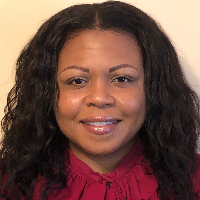
Tiffany Wilson, LMFT
Therapist in New York
Tiffany Wilson is a Licensed Marriage and Family Therapist (LMFT) based in New York.
- Licensed inNew York
- License001167
- NPI 1447621602
- Experience10+ years
- LanguagesEnglish
Details are as listed on the therapist's public professional profile. You can check any license with the state board and any NPI with the national registry.
About Tiffany
Tiffany Wilson is a Licensed Marriage and Family Therapist (LMFT) based in New York. She brings 10 years of experience helping people navigate stress, anxiety, depression, grief, trauma, and relationship concerns. Tiffany focuses on practical steps clients can use to feel steadier and reconnect with the people they care about.
She uses attachment-based ideas to understand how early bonds influence current relationships and patterns. Tiffany blends that perspective with client-centered work and cognitive-behavioral techniques to help people change harmful habits and thought patterns.
Background and approach
Sessions often involve identifying unhelpful thoughts, practicing new ways of relating, and trying small experiments between meetings. Tiffany also draws from emotionally-focused and Gottman-informed approaches when relationship or intimacy issues are central. That means she pays attention to feelings that drive behavior and to how partners communicate.
She helps couples and individuals notice patterns and learn clearer ways to ask for what they need. Her background includes work in outpatient mental and behavioral health, day treatment, residential mental health programs, and community-based services. This variety has given her experience with trauma, family stress, parenting challenges, and mood concerns including bipolar disorder.
In therapy she aims to be warm and straightforward. Clients can expect collaborative goal-setting, down-to-earth skills practice, and a focus on real-life changes that fit each person's situation.
Credentials
- LMFT (New York)
- License 001167 · expires March 2026
- NPI
- 1447621602 · national provider identifier
Both are public records. A state board register will confirm a license and its standing, and the national registry will confirm an NPI. This directory copies what the therapist lists and checks neither.
Focus areas and approaches
Everything Tiffany lists on their public professional profile, in their own terms.
- Stress, Anxiety
- Relationship issues
- Family conflicts
- Trauma and abuse
- Depression
- Grief
- Intimacy-related issues
- Parenting issues
- Anger management
- Self esteem
- Bipolar disorder
- Coping with life changes
- Compassion fatigue
- ADHD
- Abandonment
- Attachment issues
- Blended family issues
- Caregiver issues and stress
- Commitment issues
- Communication problems
- Control issues
- Disruptive Mood Dysregulation Disorder (DMDD)
- Divorce and separation
- Domestic violence
- Family problems
- Guilt and shame
- Impulsivity
- Infidelity
- Isolation / loneliness
- Mood disorders
- Polyamory / non-monogamous relationships
- Post-traumatic stress
- Self-harm
- Self-love
- Social anxiety and phobia
- Women's issues
Approaches Tiffany names
- Attachment-Based Therapy
- Client-Centered Therapy
- Cognitive Behavioral Therapy (CBT)
- Emotionally-Focused Therapy (EFT)
- Gottman Method
- Motivational Interviewing
- Narrative Therapy
- Solution-Focused Therapy
- Trauma-Focused Therapy
Naming an approach is not evidence of training in it. This directory copies what each therapist lists and does not check training records.
Online support
Attachment and Practical Skill Work Online
Tiffany uses attachment-based ideas to look at how early relationships shape current patterns. That approach helps when intimacy, commitment, or repeated relationship conflicts are causing distress. It focuses on understanding emotions and needs that drive interactions.She also uses client-centered techniques and cognitive-behavioral therapy (CBT). Client-centered work means the therapist listens closely and follows the client's lead to set goals. CBT helps identify unhelpful thoughts and replace them with clearer, more useful ways of thinking and acting. Together these approaches support emotional insight and practical behavior change.
Finding the right approach is part of the process. Tiffany will collaborate with each person to choose methods that match their goals and preferences, and she adjusts strategies as progress is made. This collaborative planning helps shape clear steps to try between sessions.
Online therapy offers flexibility for different schedules and needs. Video calls let people use visual cues for relationship work, phone sessions can be a simpler option when bandwidth is limited, and live chat or text-based messaging work for quick check-ins or ongoing support. These formats make it easier to fit therapy into a busy life while focusing on the same attachment and skills work used in person.
We will earn a commission if you sign up through our link, at no cost to you. It does not change what you pay or the order of the listings.
Frequently asked
What concerns does Tiffany commonly address?
She works with stress, anxiety, depression, trauma and abuse, relationship and family problems, grief, parenting strain, anger, self-esteem, bipolar disorder, ADHD, and related issues such as abandonment, attachment problems, infidelity, and isolation.
What is Tiffany's therapy style like?
Her style is warm and collaborative. She uses attachment ideas, client-centered listening, and cognitive-behavioral techniques to help clients notice patterns and practice new ways of coping.
What experience does she bring to sessions?
She has 10 years of clinical experience across outpatient care, day treatment, residential mental health programs, and community-based services.
Where is Tiffany licensed and based?
She is a Licensed Marriage and Family Therapist with a NY LMFT credential and practices in New York.
Which languages are supported for sessions?
Sessions are offered in English.
What session formats are available?
She offers video calls, phone sessions, live chat, and text-based messaging to fit different schedules and needs.
How does cost and billing work?
Cost varies with location and therapist availability; sessions use a subscription model that can be canceled at any time.
How do I get started with therapy?
Select the Start Therapy button, complete a short matching questionnaire, and then schedule sessions according to therapist availability.
More therapists in New York
See all
Alona Perlin
LCSW
Practical, warm therapy for attachment and stress
- Stress, Anxiety
- Relationship
- Trauma and abuse

Mi Jung You
LMHC
Practical, steady support for life’s hard moments
- Stress, Anxiety
- Relationship
- Family

Dr. Sung Ho Kim
NY Psychoanalyst
Experienced psychoanalyst focusing on attachment and coping
- Stress, Anxiety
- Relationship
- Trauma and abuse
Is this your profile?
Ask us to correct details or take the page down.
Contact us