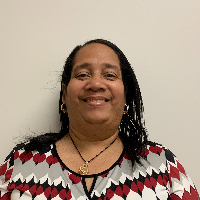
April Vandiver
LPC
Calm, practical help for attachment and life stressors
- Stress, Anxiety
- Relationship
- Parenting
Attachment-based therapy directory
70 therapists based in Missouri name attachment-based therapy among the ways they work. Sessions are online; a therapist can usually only see people in the states where they hold a license, so check the license line on each profile.
Welcome to our directory of licensed online therapists serving Missouri. All therapists listed on this page hold a Missouri license in their profession. Explore profiles to compare credentials, specialties, languages and therapeutic approaches.
LPC
Calm, practical help for attachment and life stressors
LPC, LPCC
Practical therapy for stress and relational healing
LPC
Practical, empathetic support for stressful times
LPC
Compassionate counselor focused on practical healing
LCSW
Therapist focused on attachment and coping
LCPC, LPC
Calm, practical therapy focused on attachment
LPC
Compassionate counselor focused on attachment and coping
LPC
Guided care that focuses on relationships and coping
LPC
Compassionate counselor focused on lasting change
LCSW
Compassionate clinician focused on attachment and change
LCSW
Compassionate LCSW helping with attachment and life changes
LCSW, LSCSW
Compassionate clinician focused on attachment healing
LPC, LMHC
Calm guidance for stress and trauma recovery
LCSW
Compassionate therapist focused on attachment and coping
LCSW
Supportive social worker focused on attachment and coping
LSCSW, LCSW
Compassionate guidance for relationship and trauma healing
LMFT
Practical, compassionate therapy for life’s challenges
LPC
Warm, practical therapy for lifes challenges
LPC
Experienced counselor focused on attachment and practical change
LPC
Relationship-focused counselor for life transitions
LPC
Connection-focused counselor for relationship and life shifts
LMFT, LPC
Practical therapy focused on attachment and coping
LMFT
Skilled, compassionate therapist focused on relationships
LPC
Experienced counselor focused on healing attachment
LPC, LCPC
Experienced counselor focused on attachment and healing
LPC, LMHC
Thoughtful counselor focused on practical change
LPC
Compassionate counselor for life’s difficult turns
LPC
Compassionate counselor focused on attachment and coping
LPC
Compassionate attachment-informed counseling
LCSW
Experienced LCSW offering practical, attachment-aware care
LPC
Compassionate, practical counseling for life’s challenges
LCSW
Compassionate, practical therapy for everyday struggles
LPC
Experienced counselor focusing on relationships and trauma
LPC
Supportive counselor for stress and relationships
LCSW
Attachment-informed LCSW helping with relationship stress
LPC
Compassionate counselor using relationship-focused care
Some links on this page are partner links. We will earn a commission if you sign up through one, at no cost to you. It does not change what you pay or the order of the listings.
If you are exploring online therapy options in Missouri, you are part of a growing number of people who choose remote care for convenience and accessibility. Many mental health professionals in the state offer sessions by video or phone so you can connect from home, work, or another personal setting. State regulations govern how and where clinicians may provide services, and practitioners who list online work in Missouri have committed to meeting the legal and ethical standards that apply when services are delivered remotely. You will find a range of professionals who describe specialties such as mood concerns, relationship issues, trauma, grief, parenting support and life transitions. When you review profiles you will see information about professional credentials, clinical focus areas, languages spoken and the therapeutic approaches that each therapist lists among their methods.
Because teletherapy bridges distance, you can access providers across the state without traveling to an office. At the same time, you should expect clear guidance from any clinician about how they conduct sessions, what technology they use, and how they handle records and communications. For people in rural communities or those with mobility or scheduling challenges, online therapy can expand options. As you look through listings, keep in mind that the directory presents profiles to help you compare focus areas and approaches rather than performance outcomes or client reviews.
Online therapy can offer practical advantages if you live in Missouri. Sessions by video or phone save commute time and make it possible to meet with a therapist without rearranging work or family responsibilities. This can be especially helpful if you live outside urban centers where fewer in-person providers may be available. You may appreciate the flexibility to schedule sessions around your day and the ability to choose a therapist whose specialty or style matches your needs rather than being limited by location.
Beyond convenience, many people find that remote sessions lower some barriers to starting care. You may feel more comfortable meeting from a familiar setting that supports reflection and emotional safety. If you are juggling childcare, health concerns, or unpredictable work hours, online sessions can reduce logistical friction. Some therapists who list particular approaches among their methods offer formats that translate well to video sessions, and many clinicians adapt therapeutic tools and exercises for remote delivery. When you weigh the benefits, consider how online sessions fit your lifestyle, the technology you have access to, and the type of therapeutic relationship you want to build.
Therapists who work online in Missouri commonly address a wide range of concerns. Many list mood difficulties such as depression and anxiety, stress management, grief and loss, relationship conflicts, life transitions like career changes or parenting adjustments, and trauma-related symptoms. Providers also describe specialties in areas such as perinatal mental health, adolescent concerns, couples counseling, and support for caregivers. You may find clinicians who mention particular approaches they use, for example therapists who list EMDR among their approaches, or clinicians who list cognitive behavioral methods, attachment-focused work, or family systems perspectives. Keep in mind that a therapist listing an approach does not mean a verified level of training in that modality; it indicates that the clinician reports using that method in practice.
If you have concerns that intersect with medical care or medication management, online therapy often works in collaboration with your primary care provider or psychiatric prescriber. Therapists can help you develop coping strategies, build skills, and work on interpersonal patterns that affect daily functioning. When selecting a therapist for a specific issue, look at their described focus areas and any population-level experience they mention, such as work with adolescents, veterans, or multicultural clients. This information can help you find someone whose practice aligns with the challenges you want to address.
Before beginning any therapeutic relationship, it is wise to confirm that a clinician holds an active license in Missouri. The state maintains public resources that allow you to look up license status. Typically, you can search by the clinician's full name or license number to view basic information such as the profession, license type, issuance and expiration dates, and any public disciplinary actions. If the online lookup tool is unclear, you can contact the licensing board by phone or email for assistance in interpreting the record. Keeping a record of the license details you check can be helpful if you have follow-up questions.
When you review a profile on a directory, note the listed license type and any degree or credential abbreviations so you can match them with the public record. Some clinicians are licensed as professional counselors, clinical social workers, marriage and family therapists, psychologists or other mental health professions, and each has a specific licensure category. Remember that licensing confirms that a clinician is authorized to practice in the state; it does not replace the need to assess therapeutic fit, approach, or experience. If you encounter anything in a license record that raises concerns, you can contact the licensing authority to request clarification or to learn more about the complaint and resolution process.
Starting online therapy begins with a clear sense of what you hope to address. Before you reach out to a clinician, think about the goals you want to work toward, the populations you feel most comfortable with, and any practical considerations such as language preference or session format. Many profiles include a short biography and a list of areas of focus - reading these sections can help you identify therapists who describe work with concerns similar to yours. When you contact a clinician, you can ask about their experience with the issues you named and how they structure online sessions. Preparing a few questions in advance helps you evaluate fit during an initial conversation.
Therapeutic approach and personal fit are central to effective work. You may prefer a therapist who lists methods that resonate with you, such as cognitive behavioral strategies, attachment-focused work, or narrative approaches. Since profiles often state which approaches a clinician uses, you can filter candidates by the language they use to describe their work. Also consider demographic and cultural factors that matter to you. If shared identity, cultural competence, or language is important, look for clinicians who mention those aspects in their biographies. The therapeutic relationship is a collaborative process, and feeling understood and respected is a critical component of progress.
Logistics matter when you are planning online sessions. Check whether a clinician notes the platforms they use for video calls and whether they offer phone sessions when video is not possible. Ask about session length, fee structure, insurance or reimbursement practices, and any paperwork or intake steps required before your first meeting. It is also helpful to confirm how the clinician manages emergency or crisis situations when you are in Missouri, including what resources they recommend for urgent concerns. These practical discussions help set expectations and create a clear framework for your work together.
Once you choose a therapist to contact, preparing for the first few sessions will help you make the most of your time. Consider writing down your primary concerns, a brief history of the issue, and what you hope to achieve in therapy. Be ready to discuss prior treatment experiences, medications if relevant, and any current supports you have in place. Establishing short-term goals together early on can guide the initial phase of therapy. If the therapeutic relationship does not feel like the right fit after a few sessions, it is reasonable to discuss adjustments or to seek another clinician whose style better aligns with your needs.
Choosing online therapy in Missouri gives you access to a variety of clinicians who list diverse approaches and specialties. By verifying licensing, clarifying logistics, and focusing on therapeutic fit, you can find a therapist whose practice aligns with your needs and preferences. Use the directory to compare profiles, read descriptions carefully, and reach out to learn more about how a clinician works. Thoughtful preparation and clear communication will help you get started and support meaningful progress in your mental health journey.