
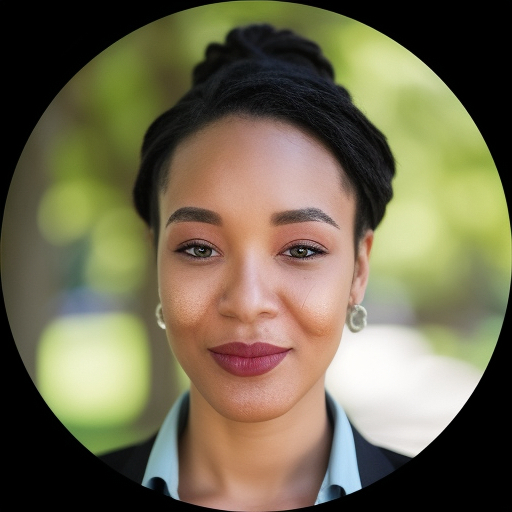
Clevevoya Jordan, LPC
Therapist in Georgia
Clevevoya Jordan is a Licensed Professional Counselor (LPC) based in Georgia who helps people facing stress, anxiety, depression, relationship strain, and addiction concerns.
- Licensed inGeorgia
- LicenseLPC003921
- NPI 1548484132
- Experience21+ years
- LanguagesEnglish
Details are as listed on the therapist's public professional profile. You can check any license with the state board and any NPI with the national registry.
About Clevevoya
Clevevoya Jordan is a Licensed Professional Counselor (LPC) based in Georgia who helps people facing stress, anxiety, depression, relationship strain, and addiction concerns. She focuses on issues like grief, trauma and abuse, intimacy struggles, parenting stress, and career challenges. Her style is warm and direct, aimed at helping people feel heard and understood as they take steps toward change.
With 21 years of experience, she draws on attachment-based ideas to look at how early bonds and current connections shape reactions and relationship patterns.
Background and approach
She also uses cognitive behavioral techniques to identify unhelpful thoughts and reframe them. Sessions often include practical steps that people can try between meetings to reduce symptoms and improve interactions with others. Her approach pays attention to family and relationship patterns without assigning labels.
She helps people notice repeating dynamics, understand how those patterns affect daily life, and practice new ways of relating that reduce conflict and shame. She offers guidance for managing anger, control issues, codependency, and feelings of abandonment. Clevevoya works with a broad range of concerns including substance use, domestic violence recovery, blended family stress, first responder issues, and compassion fatigue.
She blends emotion-focused work with solution-focused skills to help people build better routines for eating, sleeping, and coping with life changes. Sessions are available in English and delivered through video calls, phone sessions, live chat, or text messaging. People start by completing a short matching questionnaire and then schedule appointments according to availability.
Credentials
- LPC (Georgia)
- License LPC003921 · expires September 2026
- NPI
- 1548484132 · national provider identifier
Both are public records. A state board register will confirm a license and its standing, and the national registry will confirm an NPI. This directory copies what the therapist lists and checks neither.
Focus areas and approaches
Everything Clevevoya lists on their public professional profile, in their own terms.
- Stress, Anxiety
- Relationship issues
- Family conflicts
- Self esteem
- Depression
- Addictions
- Trauma and abuse
- Grief
- Intimacy-related issues
- Eating disorders
- Sleeping disorders
- Parenting issues
- Anger management
- Career difficulties
- Coping with life changes
- Compassion fatigue
- Abandonment
- Attachment issues
- Blended family issues
- Codependency
- Communication problems
- Control issues
- Coping with natural or human-caused disaster
- Divorce and separation
- Domestic violence
- Drug and alcohol addiction
- Family of origin issues
- First responder issues
- Guilt and shame
- Infidelity
- Isolation / loneliness
- Life purpose
- Men's issues
- Mood disorders
- Multicultural concerns
- Postpartum depression
- Post-traumatic stress
- Self-love
- Women's issues
- Workplace issues
- Young adult issues
Approaches Clevevoya names
- Attachment-Based Therapy
- Cognitive Behavioral Therapy (CBT)
- Emotionally-Focused Therapy (EFT)
- Gottman Method
- Motivational Interviewing
- Solution-Focused Therapy
Naming an approach is not evidence of training in it. This directory copies what each therapist lists and does not check training records.
Online support
How attachment and focused therapies work online
Attachment-based work looks at how early bonds and current relationships shape feelings and behavior. Online sessions can use this approach to help people notice repeating patterns and practice new ways of connecting with others. Cognitive Behavioral Therapy (CBT) focuses on identifying thoughts and behaviors that keep problems going and teaching practical steps to change them; it is useful for anxiety, depression, and sleep or eating struggles. Emotionally-Focused Therapy (EFT) centers on understanding emotional responses and improving how partners or individuals express needs and respond to each other.Finding the right approach is a collaborative process. The therapist will discuss goals and try methods that match the client's needs and preferences. Sessions often combine attachment-aware insight, CBT skills, and emotion-focused exercises so people leave with concrete tools to use between meetings.
Online therapy offers flexible ways to connect. Video calls allow face-to-face interaction for deeper emotional work. Phone sessions can fit into a lunch break or work around bandwidth limits. Live chat or text messaging are useful for quick check-ins, skill practice, or when writing feels easier than speaking. These options help people keep therapy consistent while balancing family, work, and other responsibilities.
We will earn a commission if you sign up through our link, at no cost to you. It does not change what you pay or the order of the listings.
Frequently asked
What concerns does she address?
She helps people with stress, anxiety, depression, relationship and family struggles, grief, trauma and abuse, addiction, intimacy issues, parenting strain, and related concerns.
How would you describe her therapy style?
Her style is warm and engaging with direct feedback. She focuses on listening, teaching skills, and helping people practice new ways of relating.
What kind of experience does she bring?
She has 21 years of psychotherapy experience supporting people with mood, trauma, substance use, and relationship challenges.
Where is she licensed and based?
She is a Licensed Professional Counselor (LPC) practicing in Georgia.
Which languages are supported?
Sessions are offered in English and international clients are not accepted at this time.
What session formats are offered?
Therapy is available by video calls, phone sessions, live chat, or text-based messaging to fit different schedules and needs.
How does payment and cost work?
Cost varies by location and therapist availability; sessions use a subscription model that can be canceled at any time.
How do I begin working with her?
Start by selecting the Start Therapy button, complete a short matching questionnaire, and then schedule sessions according to the therapist's availability.
More therapists in Georgia
See all
Evalee Smith
LISW, LCSW, CSW
Compassionate clinical social worker focusing on attachment
- Stress, Anxiety
- Parenting
- Anger
Dr. Kerene Brown
LICSW, LCSW, CSW
Supportive therapy for life transitions and attachment
- Stress, Anxiety
- Trauma and abuse
- Self esteem

Remmawii (Karuna) Kristjanson
LCSW, CSW
Healing through attachment and practical tools
- Addictions
- Relationship
- Trauma and abuse
Is this your profile?
Ask us to correct details or take the page down.
Contact us