- Licensed inNew Jersey
- License37PC00050700
- NPI 1154991065
- Experience52+ years
- LanguagesEnglish, Spanish
Details are as listed on the therapist's public professional profile. You can check any license with the state board and any NPI with the national registry.
About Joseph
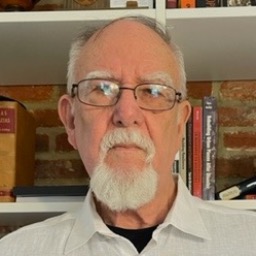
Dr. Joseph Prewitt-Diaz is a licensed professional counselor with more than five decades of experience. He offers bilingual care in English and Spanish and has worked alongside people facing disaster, migration, and other major life stresses.
He frames therapy as accompaniment and aims to help people regain purpose and dignity. His work began in pastoral counseling and grew into long-term practice with survivors of humanitarian crises. That background shaped a style rooted in presence, cultural humility, and steady support.
Background and approach
He draws on those strengths when helping people with grief, depression, anxiety, stress, and major life changes. In sessions he focuses on building trust and listening closely to each person’s story. He combines Attachment-Based Therapy with Acceptance and Commitment Therapy and client-centered methods to address relationship concerns and self-esteem.
Mindfulness and solution-focused techniques are also used to help people manage symptoms and set realistic steps forward. Dr. Prewitt-Diaz has worked with first responders, veterans, and people affected by immigration and disaster-related trauma.
He also supports those navigating adoption and foster care questions, blended family dynamics, communication and commitment issues, and life-purpose concerns. Sessions are offered in English and Spanish and can be conducted by video calls, phone, live chat, or text messaging. He practices in New Jersey and accepts international clients for online work.
To begin, follow the site’s matching process and schedule a session that fits your needs.
Credentials
- LPC (New Jersey)
- License 37PC00050700 · expires November 2026
- NPI
- 1154991065 · national provider identifier
Both are public records. A state board register will confirm a license and its standing, and the national registry will confirm an NPI. This directory copies what the therapist lists and checks neither.
Focus areas and approaches
Everything Joseph lists on their public professional profile, in their own terms.
- Stress, Anxiety
- Relationship issues
- Grief
- Depression
- Coping with life changes
- Self esteem
- Adoption and foster care
- Antisocial personality
- Attachment issues
- Blended family issues
- Commitment issues
- Communication problems
- Coping with natural or human-caused disaster
- Dependent personality
- Family of origin issues
- Fatherhood issues
- First responder issues
- Immigration issues
- Infidelity
- Intellectual disability
- Life purpose
- Veteran and Armed Forces Issues
- Multicultural concerns
- Post-traumatic stress
- Prejudice and discrimination
- Social anxiety and phobia
- Young adult issues
Approaches Joseph names
- Attachment-Based Therapy
- Acceptance and Commitment Therapy (ACT)
- Client-Centered Therapy
- Mindfulness Therapy
- Solution-Focused Therapy
- Trauma-Focused Therapy
- Internal Family Systems
Naming an approach is not evidence of training in it. This directory copies what each therapist lists and does not check training records.
Online support
Therapeutic approaches for online healing and connection
Attachment-Based Therapy focuses on how early bonds shape current relationships. It looks at patterns of connection and helps people build more supported ways of relating to others and to themselves, which can ease relationship strain and attachment concerns.Acceptance and Commitment Therapy, or ACT, teaches practical skills for living with difficult thoughts and feelings while moving toward personal values. It can help with anxiety, depression, and when someone needs clearer direction about life purpose or difficult changes.
Client-Centered Therapy centers the person’s experience and priorities. The therapist listens without judgment and helps people find their own solutions, often paired with mindfulness to reduce reactivity and increase calm.
Finding the right approach usually happens together. The therapist will work collaboratively to match methods to a person’s goals, preferences, and the challenges they bring. That may mean blending attachment work with ACT, mindfulness, or solution-focused steps to create a practical plan.
Online sessions are offered by video calls, phone sessions, live chat, or text-based messaging. Video can recreate face-to-face conversation and allow visual cues. Phone sessions use less bandwidth and can fit into a lunch break or commute. Live chat and messaging are useful for short check-ins, ongoing encouragement, or when written reflection feels easier. These options make therapy more flexible and easier to fit into a busy life.
We will earn a commission if you sign up through our link, at no cost to you. It does not change what you pay or the order of the listings.
Frequently asked
What kinds of concerns does this therapist address?
He helps people dealing with stress, anxiety, depression, grief, relationship problems, self-esteem struggles, and coping with life changes. Additional focuses include adoption and foster care, attachment issues, first responder and veteran concerns, and immigration-related stress.
How would you describe his therapeutic style?
His style emphasizes accompaniment and presence, listening closely and working collaboratively. He uses attachment-informed work along with acceptance and mindfulness tools to help people rebuild meaning and manage symptoms.
How long has he been practicing?
He brings 52 years of clinical experience, including extensive work with survivors of disasters and humanitarian emergencies and with disaster response personnel.
Where is this therapist based and what are the credentials?
He practices in New Jersey and holds the LPC credential, listed as NJ LPC.
Can I work with him in my language?
Sessions are offered in English and Spanish to accommodate bilingual needs.
Is it possible to work with him from another country?
International clients are accepted for online sessions, enabling people outside the U.S. to connect by the available remote formats.
What session formats are available?
He offers video calls, phone sessions, live chat, and text-based messaging to provide flexible ways to engage in therapy.
How does cost and scheduling work?
Cost varies with location and therapist availability and sessions use a subscription that can be canceled at any time. To get started, use the Start Therapy button, complete the short matching questionnaire, and schedule according to availability.
More therapists in New Jersey
See all
Barry Wasser
LCSW
Calm, relationship-focused therapy for everyday life
- Stress, Anxiety
- Relationship
- Trauma and abuse

Themistoklis Bakelas
LCSW
Practical, relational therapy for life transitions
- Relationship
- Grief
- Self esteem

Jessica Peres
LPC
Attachment-focused counselor in New Jersey
- Stress, Anxiety
- Addictions
- Trauma and abuse
Is this your profile?
Ask us to correct details or take the page down.
Contact us