
- Licensed inArizona, California
- LicensePSY-005209, 14727
- NPI 1043841307
- Experience20+ years
- LanguagesEnglish
Details are as listed on the therapist's public professional profile. You can check any license with the state board and any NPI with the national registry.
About Linda
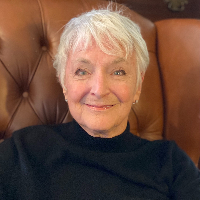
Dr. Linda DeBiase is a licensed psychologist practicing in Arizona. She brings 20 years of professional experience to sessions and focuses on helping people with relationship struggles, trauma, intimacy issues, self-esteem, mood concerns, and addictive behaviors.
She uses an attachment-informed outlook to understand patterns in close relationships and how early bonds influence current struggles. That perspective often blends with client-centered work, which means conversations follow the pace and concerns of the person in the room.
Background and approach
Cognitive behavioral techniques and elements of Acceptance and Commitment Therapy are used to build practical skills for coping and change. Her approach is straightforward and respectful. She listens for what feels most troubling, and then helps set small, doable goals.
Sessions usually involve talking through situations, trying out new responses, and noticing what works in daily life. Dr. DeBiase also addresses issues tied to family of origin, adoption and foster care, abandonment, and blended family dynamics.
She supports people facing grief from separation, divorce, or loss and those coping with dissociation, co-occurring conditions, or compassion fatigue. She holds licenses as an Arizona Psychologist, AZ Psychologist PSY-005209, and a California Psychologist, CA Psychologist 14727. Conversations are offered in English and adapted to each person’s needs to make the work usable between sessions.
Credentials
- Psychologist (Arizona)
- License PSY-005209 · expires April 2027
- Psychologist (California)
- License 14727 · expires April 2026
- NPI
- 1043841307 · national provider identifier
Both are public records. A state board register will confirm a license and its standing, and the national registry will confirm an NPI. This directory copies what the therapist lists and checks neither.
Focus areas and approaches
Everything Linda lists on their public professional profile, in their own terms.
- Relationship issues
- Trauma and abuse
- Intimacy-related issues
- Self esteem
- Depression
- Addictions
- LGBT
- Family conflicts
- Anger management
- Career difficulties
- Bipolar disorder
- Coaching
- Compassion fatigue
- ADHD
- Abandonment
- Adoption and foster care
- Attachment issues
- Blended family issues
- Body image
- Co-morbidity
- Codependency
- Commitment issues
- Communication problems
- Control issues
- Coping with natural or human-caused disaster
- Dissociation
- Divorce and separation
- Domestic violence
- Drug and alcohol addiction
- Eating and food-related issues
- Emptiness
- Family of origin issues
- Family problems
- Fertility issues
- Forgiveness
- Guilt and shame
- Impulsivity
- Infidelity
- Isolation / loneliness
- Life purpose
- Men's issues
- Midlife crisis
- Money and financial issues
- Mood disorders
- Obsessions, compulsions, and OCD
- Panic disorder and panic attacks
- Phobias
- Postpartum depression
- Post-traumatic stress
- Seasonal Affective Disorder (SAD)
- Self-love
- Sexuality
- Social anxiety and phobia
- Women's issues
Approaches Linda names
- Attachment-Based Therapy
- Acceptance and Commitment Therapy (ACT)
- Client-Centered Therapy
- Cognitive Behavioral Therapy (CBT)
- Emotionally-Focused Therapy (EFT)
- Mindfulness Therapy
- Motivational Interviewing
- Psychodynamic Therapy
- Solution-Focused Therapy
- Trauma-Focused Therapy
Naming an approach is not evidence of training in it. This directory copies what each therapist lists and does not check training records.
Online support
Therapeutic approaches you can access online
Attachment-Based Therapy looks at how early relationships influence current ways of relating and helps people notice and change patterns that cause distance or conflict. Acceptance and Commitment Therapy (ACT) focuses on clarifying personal values, practicing acceptance of difficult feelings, and taking small actions that align with what matters. Client-Centered Therapy centers the conversation on the person's experience, using empathic listening to help the individual find their own solutions and grow self-understanding.Finding the right approach is part of the work. The therapist will collaborate with each person to choose which methods match their goals, needs, and preferences. That means checking in about what helps, adjusting techniques over time, and blending approaches when that better serves day-to-day challenges.
Online sessions are offered by video call, phone, live chat, or text-based messaging to increase flexibility. Video lets for face-to-face conversation when that feels helpful, phone works well for lower bandwidth or a brief check-in, and messaging supports ongoing contact between appointments. These options make it easier to fit therapy around work, caregiving, and travel while keeping the focus on progress and practical change.
We will earn a commission if you sign up through our link, at no cost to you. It does not change what you pay or the order of the listings.
Frequently asked
What concerns does she help with?
She works with relationship difficulties, trauma and abuse, intimacy-related struggles, self-esteem problems, depression, addictions, and related issues such as ADHD and bipolar mood concerns.
What is her therapeutic style?
Her style blends attachment-informed views with client-centered listening and practical CBT and ACT techniques to build skills and change patterns.
How long has she practiced professionally?
She has 20 years of professional experience working with adults on relationship and mood issues.
Where is she licensed to practice?
She is licensed as an Arizona Psychologist, AZ Psychologist PSY-005209, and as a California Psychologist, CA Psychologist 14727, and is based in Arizona.
Which languages are supported for sessions?
Sessions are offered in English.
What session formats are available?
She offers video calls, phone sessions, live chat, and text-based messaging to suit different preferences and schedules.
How are sessions billed and what do they cost?
Cost varies with location and therapist availability; sessions use a subscription model that can be canceled at any time.
How do I begin working with her?
Click the Start Therapy button, complete a short matching questionnaire, and schedule a session according to the therapist's availability.
More therapists in Arizona
See all
Sheryl Mahon
LPC, LPCC
Practical, attachment-aware counseling for life changes
- Stress, Anxiety
- Grief
- Depression
Michele Davis
LCSW
Therapist focused on attachment and practical support
- Addictions
- Relationship
- Trauma and abuse
Is this your profile?
Ask us to correct details or take the page down.
Contact us