- Licensed inIllinois
- License180-001433
- NPI 1336298306
- Experience35+ years
- LanguagesEnglish
Details are as listed on the therapist's public professional profile. You can check any license with the state board and any NPI with the national registry.
About Mary
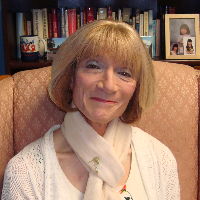
Dr. Mary Ann Dier-Zimmermann is a Licensed Clinical Professional Counselor in Illinois with 35 years of experience. She focuses on helping people who feel stuck by listening carefully and respecting their values.
Her approach is grounded in building connection and understanding before moving to change. She uses attachment-based ideas to look at how early relationships affect current behavior and feelings. That helps with worries about intimacy, abandonment, and relationship patterns.
Background and approach
She also draws on Acceptance and Commitment Therapy to help people notice difficult thoughts and still move toward what matters to them. Her work is practical and person-centered. Sessions often begin with an assessment and a simple plan.
From there, she and the client set small, achievable steps to improve mood, cope with stress, or repair strained relationships. Dr. Dier-Zimmermann brings training in religion, spirituality, and psychology into conversations when clients want that.
She honors a person’s beliefs and gender orientation as part of care. That can be helpful for clients working through faith questions, LGBTQ concerns, or identity-related stress. She supports people dealing with depression, anxiety, trauma, grief, addiction, caregiver strain, parenting stress, career transitions, and many other life challenges.
Her style is calm, nonjudgmental, and steady, with attention to both feelings and everyday choices.
Credentials
- LCPC (Illinois)
- License 180-001433 · expires March 2027
- NPI
- 1336298306 · national provider identifier
Both are public records. A state board register will confirm a license and its standing, and the national registry will confirm an NPI. This directory copies what the therapist lists and checks neither.
Focus areas and approaches
Everything Mary lists on their public professional profile, in their own terms.
- Stress, Anxiety
- LGBT
- Relationship issues
- Bipolar disorder
- Depression
- Addictions
- Family conflicts
- Trauma and abuse
- Grief
- Intimacy-related issues
- Parenting issues
- Anger management
- Self esteem
- Career difficulties
- Coping with life changes
- Compassion fatigue
- Abandonment
- Adoption and foster care
- Aging and geriatric issues
- Attachment issues
- Avoidant personality
- Blended family issues
- Body image
- Cancer
- Caregiver issues and stress
- Codependency
- Commitment issues
- Coping with natural or human-caused disaster
- Dependent personality
- Dissociation
- Divorce and separation
- Emptiness
- Family of origin issues
- Family problems
- Fatherhood issues
- Forgiveness
- Gender dysphoria
- Guilt and shame
- Hospice and end-of-life counseling
- Infidelity
- Isolation / loneliness
- Life purpose
- Midlife crisis
- Mood disorders
- Multicultural concerns
- Narcissism
- Personality disorders
- Post-traumatic stress
- Prejudice and discrimination
- Process addiction (porn, exercise, gambling)
- Seasonal Affective Disorder (SAD)
- Self-harm
- Self-love
- Sexuality
- Women's issues
- Workplace issues
- Young adult issues
Approaches Mary names
- Attachment-Based Therapy
- Acceptance and Commitment Therapy (ACT)
- Client-Centered Therapy
- Existential Therapy
- Gottman Method
- Imago Relationship Therapy
- Jungian Therapy
- Mindfulness Therapy
- Psychodynamic Therapy
- Solution-Focused Therapy
Naming an approach is not evidence of training in it. This directory copies what each therapist lists and does not check training records.
Online support
How attachment and values-based approaches work online
Attachment-Based Therapy looks at patterns of connection and how early bonds shape current relationships. Online sessions can be used to notice those patterns, practice new ways of relating, and try different interaction styles in real time.Acceptance and Commitment Therapy, or ACT, helps people clarify what matters to them and take committed action even when difficult thoughts or feelings are present. In remote sessions that can mean setting small weekly experiments and tracking what helps or gets in the way.
Finding the right approach is part of the work. The therapist will talk with each person about their needs, goals, and what feels comfortable. Together they decide whether attachment-focused work, ACT, or a client-centered style will best match the issue and the person’s preferences.
Online formats include video calls, phone sessions, live chat, and text-based messaging. Video sessions allow face-to-face conversation and role-play of relationship moments. Phone sessions can be easier when bandwidth is limited or when someone prefers not to be on camera. Live chat and text messaging work well for brief check-ins, coping tools between sessions, or for people who write more easily than they speak. These options make scheduling more flexible and can fit around work, caregiving, or medical needs.
We will earn a commission if you sign up through our link, at no cost to you. It does not change what you pay or the order of the listings.
Frequently asked
What kinds of concerns can be addressed in therapy?
She helps with stress, anxiety, depression, grief, trauma and abuse, addictions, relationship and intimacy issues, parenting strain, caregiver stress, and life transitions among other concerns.
What is her general therapy style?
Her practice is calm and nonjudgmental. She listens closely, builds a plan with each person, and focuses on practical steps tied to their values.
How much clinical experience does she have?
She has 35 years of experience as a clinician in counseling and related fields.
What credentials and location are listed?
She is an LCPC - Licensed Clinical Professional Counselor - practicing in Illinois.
Which languages and international options are supported?
Sessions are offered in English. International clients are not currently accepted.
What session formats are available?
Sessions can be scheduled as video calls, phone sessions, live chat, or text-based messaging to fit different needs.
How does payment and cost work?
Cost varies with location and therapist availability. Sessions use a subscription model that can be canceled at any time.
What are the steps to begin therapy?
Begin by selecting the Start Therapy button, completing a short matching questionnaire, and scheduling a session based on therapist availability.
More therapists in Illinois
See all

Ana Sikula
LCSW
Practical, compassionate therapy for life transitions
- Stress, Anxiety
- Relationship
- Family

Maria "Patti" Lorenzo
LCPC
Compassionate therapist for clearer self-talk
- Trauma and abuse
- Self esteem
- Coping with life changes
Is this your profile?
Ask us to correct details or take the page down.
Contact us