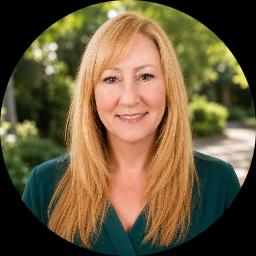
Michelle Newton, LMHC
Therapist in Washington
Michelle Newton is a Licensed Mental Health Counselor (LMHC) practicing in Washington with 18 years of experience.
- Licensed inWashington
- LicenseLH60507972
- NPI 1083881775
- Experience18+ years
- LanguagesEnglish
Details are as listed on the therapist's public professional profile. You can check any license with the state board and any NPI with the national registry.
About Michelle
Michelle Newton is a Licensed Mental Health Counselor (LMHC) practicing in Washington with 18 years of experience. She helps people manage stress, anxiety, relationship struggles, trauma and abuse, parenting concerns, and ADHD. She aims to create a calm, nonjudgmental space where people can speak honestly about what’s hard for them.
Michelle uses straightforward, practical methods in sessions. She listens first, then helps clients notice patterns in thoughts, feelings, and behaviors.
Background and approach
Together they try small experiments and skills that can reduce overwhelm and improve day-to-day life. Her approach draws on attachment-based ideas to understand how early bonds influence current relationships. She also uses techniques from cognitive behavioral therapy and acceptance and commitment therapy to build coping skills and clarify values.
This combination helps people address difficult memories, manage anxiety, and improve communication. Sessions focus on clear goals and usable tools. Michelle helps people practice new ways of responding to stress, handle conflict more calmly, and set boundaries that match their needs.
She explains strategies in plain language and checks in about what is and isn’t working. Michelle offers remote care to people located in Washington. She provides video calls, phone sessions, live chat, and text-based messaging.
To start, a person completes a short matching questionnaire and schedules sessions based on the therapist’s availability.
Credentials
- LMHC (Washington)
- License LH60507972 · expires June 2027
- NPI
- 1083881775 · national provider identifier
Both are public records. A state board register will confirm a license and its standing, and the national registry will confirm an NPI. This directory copies what the therapist lists and checks neither.
Focus areas and approaches
Everything Michelle lists on their public professional profile, in their own terms.
- Stress, Anxiety
- Relationship issues
- Trauma and abuse
- Parenting issues
- ADHD
- Abandonment
- Aging and geriatric issues
- Attachment issues
- Autism and Asperger Syndrome
- Blended family issues
- Caregiver issues and stress
- Chronic pain, illness, and disability
- Co-morbidity
- Codependency
- Commitment issues
- Communication problems
- Control issues
- Dependent personality
- Dissociation
- Divorce and separation
- Emptiness
- Family of origin issues
- Family problems
- Fatherhood issues
- Fertility issues
- First responder issues
- Forgiveness
- Gender dysphoria
- Guilt and shame
- Hospice and end-of-life counseling
- Impulsivity
- Infidelity
- Isolation / loneliness
- Jealousy
- Life purpose
- Midlife crisis
- Money and financial issues
- Mood disorders
- Narcissism
- Panic disorder and panic attacks
- Postpartum depression
- Post-traumatic stress
- Pregnancy and childbirth
- Seasonal Affective Disorder (SAD)
- Self-harm
- Self-love
- Women's issues
- Workplace issues
Approaches Michelle names
- Attachment-Based Therapy
- Acceptance and Commitment Therapy (ACT)
- Client-Centered Therapy
- Cognitive Behavioral Therapy (CBT)
- Dialectical Behavior Therapy (DBT)
- Emotionally-Focused Therapy (EFT)
- Gottman Method
- Imago Relationship Therapy
- Mindfulness Therapy
- Motivational Interviewing
- Narrative Therapy
- Solution-Focused Therapy
- Somatic Therapy
- Trauma-Focused Therapy
- Internal Family Systems
- Systemic Therapy
Naming an approach is not evidence of training in it. This directory copies what each therapist lists and does not check training records.
Online support
How attachment, ACT, and CBT translate to online work
Attachment-based work looks at how early relationships shape current patterns. Online sessions use conversation and reflection to identify those patterns and practice new ways of connecting in daily life. Acceptance and Commitment Therapy (ACT) focuses on noticing difficult thoughts and choosing actions that match personal values, which can help with anxiety, stress, and low motivation. Cognitive Behavioral Therapy (CBT) breaks problems into thoughts, feelings, and behaviors and teaches step-by-step skills for shifting unhelpful thinking and behavior.Finding the right mix of approaches is part of the process. The therapist collaborates with each person to decide which methods fit their goals and preferences. That might mean starting with skills training, adding attachment-focused reflection, or using ACT practices to clarify values and take action.
Online therapy offers flexible ways to connect. Video calls allow face-to-face conversation when a longer session is needed. Phone sessions are useful when bandwidth is limited or for a shorter check-in. Live chat and text-based messaging let people share updates between sessions or get support in written form. These options make it easier to fit therapy into work, caregiving, and busy schedules.
We will earn a commission if you sign up through our link, at no cost to you. It does not change what you pay or the order of the listings.
Frequently asked
What concerns does Michelle address?
She supports people dealing with stress, anxiety, relationship problems, trauma and abuse, parenting challenges, and ADHD, plus related issues like communication problems, codependency, and chronic illness.
What is her therapeutic style like?
Her style is down-to-earth and empathetic. She listens first, then works with clients to try practical skills and small changes that fit everyday life.
How much experience does she have?
Michelle has 18 years of clinical experience working with a wide range of concerns and life stages.
What credential does she hold and where is she based?
She is a Licensed Mental Health Counselor (LMHC) licensed in Washington and practices with clients located in that state.
Which languages are supported for sessions?
Sessions are offered in English.
What session formats are available?
She offers video calls, phone sessions, live chat, and text-based messaging to fit different schedules and communication preferences.
How are sessions paid for and what does it cost?
Cost varies with location and therapist availability. Sessions use a subscription that can be canceled at any time.
How do I begin working with her?
Start by selecting the Start Therapy button, completing a short matching questionnaire, and then scheduling sessions according to the therapist’s availability.
More therapists in Washington
See all
Gary Grant
LMHC
Compassionate counselor blending attachment and practical skills
- Stress, Anxiety
- Trauma and abuse
- Intimacy-related issues

Dr. Heidi Duong
LMHC
Grounded counseling for stress and attachment
- Stress, Anxiety
- Trauma and abuse
- Eating

Laura Geiger
LMHC
Compassionate counselor for relationship and life stress
- Stress, Anxiety
- Relationship
- Family
Is this your profile?
Ask us to correct details or take the page down.
Contact us