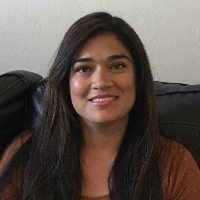
Rachel Bentley, LMFT
Therapist in Arizona
Rachel Bentley is a licensed marriage and family therapist with eight years of professional practice.
- Licensed inArizona
- LicenseLMFT-15246
- NPI 1861524498
- Experience8+ years
- LanguagesEnglish
Details are as listed on the therapist's public professional profile. You can check any license with the state board and any NPI with the national registry.
About Rachel
Rachel Bentley is a licensed marriage and family therapist with eight years of professional practice. She holds an LMFT and works from Arizona. Rachel draws on relationship-focused perspectives to help people understand how early bonds shape present reactions and patterns.
She keeps sessions straightforward. Rachel helps people notice how past attachments affect stress, anxiety, relationships, and parenting. She pauses to identify existing strengths and coping skills and then practices new ways of responding that fit current life demands.
Background and approach
Her background includes work in group homes, schools, outpatient addiction services, and residential programs for adults with serious mental illness. Those roles exposed her to many life circumstances and common struggles like grief, substance issues, and family conflict. Rachel uses a mix of approaches including Attachment-based ideas, cognitive behavioral techniques, and emotion-focused methods.
In therapy she will look at patterns between thoughts, feelings, and behaviors and try practical exercises to change unhelpful cycles. She is familiar with challenges such as abandonment, codependency, infidelity, and communication problems. Rachel also supports people facing major life changes, parenting strain, anger, and sleep or mood difficulties.
Outside of work she is involved in her children’s activities and has two decades of experience as a military spouse, which informs her understanding of the stresses families can face. Rachel aims to create a calm, steady environment where people can practice new ways of relating and coping.
Credentials
- LMFT (Arizona)
- License LMFT-15246 · expires March 2026
- NPI
- 1861524498 · national provider identifier
Both are public records. A state board register will confirm a license and its standing, and the national registry will confirm an NPI. This directory copies what the therapist lists and checks neither.
Focus areas and approaches
Everything Rachel lists on their public professional profile, in their own terms.
- Stress, Anxiety
- Relationship issues
- Trauma and abuse
- Self esteem
- Coping with life changes
- Addictions
- Family conflicts
- Grief
- Intimacy-related issues
- Parenting issues
- Anger management
- Depression
- Abandonment
- Attachment issues
- Codependency
- Commitment issues
- Communication problems
- Control issues
- Divorce and separation
- Drug and alcohol addiction
- Family problems
- First responder issues
- Forgiveness
- Guilt and shame
- Impulsivity
- Infidelity
- Isolation / loneliness
- Jealousy
- Life purpose
- Veteran and Armed Forces Issues
- Money and financial issues
- Personality disorders
- Postpartum depression
- Post-traumatic stress
- Self-love
- Sexual assault and abuse
- Social anxiety and phobia
- Women's issues
Approaches Rachel names
- Attachment-Based Therapy
- Client-Centered Therapy
- Cognitive Behavioral Therapy (CBT)
- Dialectical Behavior Therapy (DBT)
- Emotionally-Focused Therapy (EFT)
- Gottman Method
- Mindfulness Therapy
- Psychodynamic Therapy
- Solution-Focused Therapy
- Trauma-Focused Therapy
- Internal Family Systems
Naming an approach is not evidence of training in it. This directory copies what each therapist lists and does not check training records.
Online support
Attachment and practical therapies online
Rachel commonly uses Attachment-based therapy to look at how early relationships shape current feelings and behavior; this helps people who struggle with trust, abandonment, and repeating patterns in relationships. She also uses Client-Centered therapy, which means conversations focus on the person's experience and goals while the therapist listens without judging. Cognitive Behavioral Therapy (CBT) is used to identify unhelpful thoughts and try concrete steps to change reactions and reduce anxiety or low mood.Choosing an approach is a collaborative process. Rachel will work with each person to decide which methods fit their needs and goals. Together they test strategies and adjust the plan over time if something isn’t helping.
Offering video calls, phone sessions, live chat, and text-based messaging makes it easier to fit therapy into busy lives. Video lets people read expressions and work in real time. Phone sessions can be simpler when bandwidth is limited or for a shorter check-in. Live chat and text-based messaging allow brief check-ins, ongoing coaching-style support, or the chance to send thoughts between sessions. These options aim to increase flexibility and make it simpler to keep steady progress.
We will earn a commission if you sign up through our link, at no cost to you. It does not change what you pay or the order of the listings.
Frequently asked
What concerns does Rachel commonly address?
She helps with stress, anxiety, depression, relationship trouble, trauma and abuse, parenting strain, addictions, grief, intimacy issues, and anger.
What is Rachel's therapeutic style?
Rachel blends attachment-based ideas with client-centered and cognitive-behavioral techniques, focusing on practical skills and relationship patterns.
What is her clinical background?
She has eight years of practice and experience in group homes, schools, outpatient addiction services, and adult residential programs.
What credentials and location are listed for Rachel?
She is an LMFT licensed in Arizona and practices from that state.
Which languages are available for sessions?
Sessions are offered in English.
Can international clients work with Rachel?
International clients are not currently accepted.
What session formats are offered?
Sessions can be delivered by video calls, phone sessions, live chat, or text-based messaging.
How does the subscription and start process work?
Cost varies by location and therapist availability and uses a subscription that can be canceled at any time. To begin, select the Start Therapy button, complete a short matching questionnaire, and schedule according to therapist availability.
More therapists in Arizona
See all
Sheryl Mahon
LPC, LPCC
Practical, attachment-aware counseling for life changes
- Stress, Anxiety
- Grief
- Depression
Michele Davis
LCSW
Therapist focused on attachment and practical support
- Addictions
- Relationship
- Trauma and abuse
Is this your profile?
Ask us to correct details or take the page down.
Contact us