Attachment-based therapy directory
Therapists in Alabama
33 therapists based in Alabama name attachment-based therapy among the ways they work. Sessions are online; a therapist can usually only see people in the states where they hold a license, so check the license line on each profile.
Welcome to our directory of online therapists serving Alabama. All therapists listed here are licensed; explore profiles to compare approaches, credentials, languages, and areas of focus.


Paul Moffett
LPC
Calm practical counseling focused on relationships
- Stress, Anxiety
- Addictions
- Relationship

Karen Jurls
LICSW
Calm, experienced therapist focused on relationships
- Stress, Anxiety
- Relationship
- Grief

JaVae Parham
LPC
Supportive counselor focused on relationships and coping
- Stress, Anxiety
- Family
- Parenting

Donald "Bo" Hardy
LPC
Helpful, practical attachment-informed counseling
- Stress, Anxiety
- Career
- Depression

Mary Mcfarland-Norris
LICSW
Calm, practical support for anxiety and life changes
- Family
- Grief
- Stress, Anxiety

Dr. Robert Hunt
LPC
Calm, practical help for life’s hard moments
- Stress, Anxiety
- Addictions
- Relationship

Gwendolyn Downing
LPC
Experienced counselor who focuses on practical change
- Stress, Anxiety
- Addictions
- Trauma and abuse
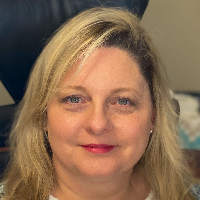

Ashley Johnson
LPC
Warm, practical counseling for life’s hard moments
- Stress, Anxiety
- Addictions
- Relationship

Thomasin Domenech
LPC
Compassionate counseling for attachment and mood concerns
- Stress, Anxiety
- LGBT
- Relationship

Jill Sexton
LPC
Calm, practical therapy for relationship and mood concerns
- Stress, Anxiety
- Relationship
- Family
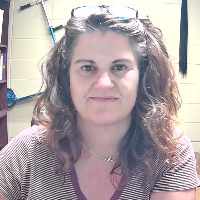

Dr. Valerie Zeiger
LPC
Calm, practical therapy for attachment and stress
- Stress, Anxiety
- Trauma and abuse
- Grief

Angela Whitlock
LCSW, LICSW
Compassionate social worker focused on attachment and change
- Stress, Anxiety
- Anger
- Self esteem

John Douglass
LPC
Practical therapy for attachment and relationships
- Stress, Anxiety
- Relationship
- Trauma and abuse

Nycole Jordan
LPC
Calm, practical support for life’s challenges
- Stress, Anxiety
- Trauma and abuse
- Anger
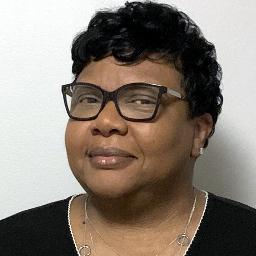
Melanie Walton
LPC
Compassionate, practical counseling for everyday life
- Stress, Anxiety
- Addictions
- Relationship

Jennifer White
LPC
Hopeful, practical counseling for life's hard moments
- Stress, Anxiety
- Relationship
- Trauma and abuse

James Wells
LPC
Practical, compassionate counseling for life challenges
- Stress, Anxiety
- Addictions
- Relationship


Thomas "Tom" Wissert
LPC
Compassionate counselor focused on relationships and coping
- Relationship
- Trauma and abuse
- Coping with life changes

Tikishia Ferrell
LPC
Practical, respectful therapy for everyday struggles
- Stress, Anxiety
- Relationship
- Family
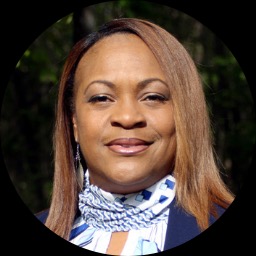
Dr. Terra Griffin
LPC
Attachment-aware counselor focused on practical coping
- Stress, Anxiety
- Trauma and abuse
- Anger



Hallie Keel
LPC
Compassionate counselor focused on attachment and coping
- Stress, Anxiety
- Trauma and abuse
- Parenting

Dr. Lolita Kincade
LPC
Understanding attachment to improve daily relationships
- Relationship
- Family
- Parenting

Lashunda Wilson
LPC
Compassionate counselor for everyday struggles
- Stress, Anxiety
- Parenting
- Self esteem

Andrea Paige
LPC
Compassionate counselor focused on attachment and coping
- Stress, Anxiety
- Relationship
- Trauma and abuse

Patrick (Taylor) Milam
LICSW
Healing practical patterns in relationships
- Addictions
- Relationship
- Family

Kimberley Croley
LICSW
Compassionate, attachment-informed clinical social worker
- Stress, Anxiety
- Relationship
- Trauma and abuse

Kimberly Smith
LPC
Compassionate counselor focusing on practical progress
- Stress, Anxiety
- Addictions
- Relationship
Some links on this page are partner links. We will earn a commission if you sign up through one, at no cost to you. It does not change what you pay or the order of the listings.
Overview of online therapy availability in Alabama
Online therapy has become a common option for people across Alabama who are looking for flexible ways to address emotional and relational concerns. In the state, many licensed clinicians offer remote sessions by video or phone, and you can review therapist profiles that describe their approaches, professional credentials, and populations they work with. If you live in a rural area, commute regularly, or balance caregiving and work obligations, online formats can reduce travel time and let you meet with a clinician from home or from another convenient location in the state. Keep in mind that state rules generally govern where a therapist must be licensed to practice, so you will most often see clinicians who are licensed to provide services to residents of Alabama. The listings you will find on this page are focused on attachment-related work as well as broader mental health support, and they include information about approaches and languages so you can identify clinicians whose style may match your needs.
Benefits of online therapy for Alabama residents
When you choose online therapy, you gain access to convenience that can fit into busy schedules and unpredictable days. Because you do not need to travel, you can use the time saved for other priorities while still receiving consistent therapeutic support. Online sessions can make it easier to connect with clinicians who specialize in attachment concerns or particular approaches, even if those clinicians are not located in your immediate city. This can be especially useful if you want a clinician who lists specific approaches among their methods, such as EMDR, internal family systems, cognitive behavioral therapy, or emotion-focused work. Another benefit is continuity of care - if you move within the state or spend part of the year elsewhere in Alabama, it may be easier to maintain a relationship with a clinician you already trust. Technology does require reliable internet and a device for video calls, and you may want to set up a quiet, quiet space for your sessions to help you focus and feel comfortable. Finally, many people find that online formats lower the barrier to starting therapy because you can take that first step without needing to visit an office.
What kinds of issues online therapists in Alabama commonly help with
Online therapists in Alabama work with a wide range of concerns, from relationship and family issues to mood and stress-related problems. You can find clinicians who describe working with attachment-related patterns, trauma reactions, anxiety, depression, grief, life transitions, parenting challenges, and relationship repair. Many therapists also note specialties such as couples work, adolescent and adult therapy, or support for caregiving stress. If you are seeking support for trauma-related symptoms, you may see clinicians who list trauma-focused approaches among their methods. If relationship patterns rooted in early attachment are part of your experience, you can look for therapists who emphasize attachment-informed frameworks. For people navigating transitions like becoming a parent, changing careers, or adjusting to medical concerns, online therapy offers a way to process emotions and build coping strategies with a clinician who describes relevant experience. When you review profiles, pay attention to stated areas of focus and to the ways therapists describe their work so you can find someone whose approach resonates with what you want to address.
How to verify a therapist's license in Alabama
Step-by-step checks you can perform
Confirming a clinician's license is an important step when you connect with an online therapist. Start by noting the exact professional credential shown on the profile - common credentials include licensed clinical social worker, licensed professional counselor, marriage and family therapist, and psychologist. Then locate the appropriate Alabama licensing board for that credential. Each licensing board maintains a searchable registry where you can enter the practitioner’s full name or license number to view the current status, expiration date, and any public disciplinary history. These registries will also show whether the license is active and the general scope of practice associated with the credential. If you prefer, you can request the clinician’s license number directly through the profile contact form before a first session and verify it on the board website. Keep records of your checks and note the date you performed them, since status can change over time. If you find any unclear information or entries that raise questions, you can contact the licensing board’s office for guidance on what the public record means. Finally, remember that licensure terminology varies by profession, so a short conversation with the clinician about their credential and approach can help you understand how their training and professional role relate to your needs, without assuming anything beyond the licensure record itself.
How to get started with an online therapist and tips for choosing the right fit
Preparing to begin
When you are ready to start online therapy, begin by narrowing profiles to those who list approaches, populations, and languages that align with your needs. Once you identify clinicians you want to explore, reach out through the contact method listed to ask practical questions about format, session length, and fees. You may want to ask how they describe the typical course of work for someone presenting with concerns similar to yours. Another step is to check whether the clinician mentions experience with attachment-related issues or with the life stage you are in. Before an initial session, test your technology and choose a quiet, quiet space where interruptions will be limited. Make sure you understand the clinician’s policies about cancellations and how they manage emergencies or crisis situations when sessions are remote.
Choosing a good therapeutic match
Finding the right therapist often comes down to how you feel in the first few conversations. Look for a clinician whose description of their approach makes sense to you and whose professional credentials match the scope of care you want. Consider language preferences, cultural background, and experience working with similar concerns as part of your decision. If a therapist lists certain modalities among their approaches, such as EMDR or cognitive behavioral therapy, view that as information about their methods rather than a guarantee of specific training. Pay attention to how a clinician explains their approach during an introductory conversation - clear, respectful answers that address your questions are helpful indicators. It is also reasonable to ask about logistics, including whether they have experience offering online sessions to people in different parts of Alabama and how they handle documentation and follow-up between sessions. Ultimately you want to work with someone who helps you feel understood and whose style supports the changes you are trying to make. If the first clinician you speak with does not feel like the right match, you can explore other profiles until you find someone who fits your needs and preferences.
Starting therapy is a personal process and taking small steps - reviewing profiles, verifying licensure, and having an initial conversation - can make that process feel more manageable. Use the information on profiles to guide your choices, ask clear questions about credentials and approach, and give yourself permission to choose a clinician who aligns with your goals for attachment-focused or broader mental health work in Alabama.