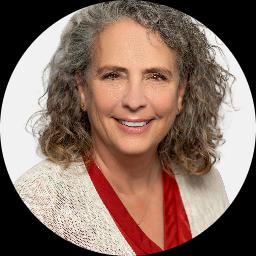
McKayla Phillips
LCMHC
Support for stress, loss, and relationship strain
- Stress, Anxiety
- Addictions
- Relationship
Attachment-based therapy directory
86 therapists in this directory list Licensed Clinical Mental Health Counselor (LCMHC). Registration details are shown as each therapist lists them; the body's own public register is the place to check a number.
Licensed Clinical Mental Health Counselor (LCMHC) is a state-level credential for professionals educated and supervised to provide mental health counseling. Below you can browse verified LCMHC therapists and review their listed approaches, specializations, languages, and profiles.
LCMHC
Support for stress, loss, and relationship strain
LCMHC
Compassionate counselor for life transitions
LCMHC
Compassionate counselor focused on attachment and recovery
LCMHC
Practical support for relationship and life struggles
LCMHC
Compassionate counselor with long-term addiction experience
LCMHC
Helping people heal through relationships and practical skills
LCMHC
Compassionate, attachment-informed counseling
LCMHC
Compassionate counselor for relationship and life stress
LCMHC
Attachment-informed counselor for practical change
LCMHC
Compassionate collaboration with practical tools
LPC, LCMHC
Experienced counselor focused on attachment and coping
LCMHC
Warm, practical counseling for real-life struggles
LCMHC
Compassionate, practical therapy for stress and relationships
LCMHC
Supportive counselor focused on attachment and healing
LMHC, LCMHC
Warm clinician focusing on trauma recovery and resilience
LCMHC
Experienced counselor focusing on attachment and healing
LCMHC, LCPC
Helping people find clarity and steady progress
LCMHC
Warm, relationship-focused counseling in North Carolina
LCMHC
Relationship-focused counselor with practical tools
LPC, LCMHC
Compassionate, practical therapy for life’s hard shifts
LCMHC
Compassionate guidance for attachment and life change
LPC, LCMHC
Therapist focused on attachment and practical skills
LPC, LCMHC
Compassionate counselor focused on attachment and coping
LCMHC
Calm, practical therapy grounded in relationships
LCMHC
Empathetic counselor for stress and trauma
LCPC, LCMHC
Calm, practical therapy grounded in attachment
LCMHC
Practical, attachment-informed therapy for adults
LCMHC
Supportive counselor focused on attachment and growth
LCMHC
Practical, direct counseling for overwhelmed achievers
LCMHC
Calm, experienced counselor focusing on relationships and change
LPC, LCMHC
Compassionate counselor with practical tools
LCMHC, LPC
Practical, collaborative counseling for life changes
LMHC, LCMHC
Calm, practical therapy for everyday struggles
LCMHC, LMHC
Compassionate counselor focused on attachment and change
LCMHC
Therapist focused on attachment and practical change
LPC, LCMHC
Compassionate guide through attachment and life changes
LCMHC
Restoring connection, one step at a time
LCMHC
Experienced counselor focused on attachment and growth
LCMHC
Connection-focused counselor for complex challenges
LCMHC
Therapist focused on connection and coping
LCMHC
Therapeutic guide for adults seeking practical change
LMHC, LCMHC
Compassionate, practical care for attachment and stress
LCMHC
Compassionate, practical support for life’s tough times
Some links on this page are partner links. We will earn a commission if you sign up through one, at no cost to you. It does not change what you pay or the order of the listings.
When you see the LCMHC designation it signals a counselor who has completed graduate-level training in counseling or a closely related field and met state requirements for clinical practice. That typically includes a master of counseling or master of science in counseling degree, a period of post-degree supervised clinical hours, and successful completion of a national or state licensure exam. Requirements vary by state, so the path to LCMHC status differs in details but shares the core elements of advanced coursework, supervised practice, and formal testing. The credential is designed to ensure that a counselor has both academic preparation and practical experience working with people facing emotional and relational challenges.
Beyond coursework, many LCMHCs continue professional learning and list clinical approaches in their profiles, which can help you understand how they describe their work. Keep in mind that a practitioner listing a particular approach indicates interest or use of that approach, not a certificate or endorsement from any single body. Looking at a counselor's training history, years of experience, and written approach can help you get a sense of how they might work with you.
You can expect an LCMHC to provide talk-based mental health counseling aimed at addressing emotional, relational, and behavioral concerns. Counselors with this license commonly use assessment, formulation, and session-based interventions to help you navigate life transitions, relational stress, mood challenges, anxiety, grief, and coping with daily stressors. LCMHCs practice in outpatient clinics, personal practices, schools, and community settings, and they may work with individuals, couples, families, or groups depending on their experience.
LCMHC is one of several professional licenses for helping professionals. Psychologists typically hold doctoral degrees and may focus on psychological testing and research in addition to therapy. Psychiatrists are medical doctors who can prescribe medication. Licensed clinical social workers often bring training in social systems and community resources, and licensed marriage and family therapists emphasize systemic and relationship-focused work. The LCMHC credential identifies counselors whose training centers on clinical counseling theory and practice. You should consider the distinctions when deciding which credential aligns with the kind of support you want.
LCMHC therapists often list a range of specialties, reflecting the diversity of issues counselors address. You might find profiles highlighting work with mood concerns, anxiety, trauma-related stress, relationship difficulties, parenting challenges, or life-stage transitions such as career change or grief. Some counselors emphasize work with specific populations, including adolescents, adults, veterans, or caregivers. When reading listings, pay attention to the populations and concerns a counselor describes to see how well they align with your priorities.
Therapists holding an LCMHC may describe a variety of approaches on their profiles. You will see counselors who list cognitive-behavioral methods, psychodynamic perspectives, relational or attachment-informed approaches, somatic techniques, or other modalities. A useful way to interpret these entries is to note that a therapist may list an approach because they use it in practice, not necessarily because of a formal certificate. If a particular method matters to you, look for language about how the counselor applies that approach in sessions and consider asking about their experience using it with concerns like yours.
Verifying an LCMHC license is an important step in your search. Start by checking the state licensing board for professional counselors where the counselor practices. Most boards offer an online license lookup that lets you confirm a license number, status, issuing state, and expiration date. You can also contact the board by phone or email if online lookup tools are limited. Professional directories sometimes display verification badges or links to board records; when you see those, follow the link to the issuing board to confirm the record yourself.
When reviewing public records, look for the license classification, the date of issuance, and any public disciplinary actions. Profiles often include the counselor's education, supervised hours, and licensure jurisdiction, which can help you place their credential in context. If a counselor practices across state lines, licensing details may vary by jurisdiction, so review the board information for the state where the counselor is licensed to practice clinically.
Choosing an LCMHC counselor can be a good option if you want a clinician trained specifically in clinical counseling and skill-based interventions. Many people appreciate the emphasis LCMHC programs place on counseling theory, case conceptualization, and practical client work. Counselors with this credential frequently frame sessions around goals, coping strategies, and relational insight, and they may tailor their approach to your cultural background, life stage, and communication preferences. If you are seeking someone to partner with you in ongoing work on relationships, coping skills, self-understanding, or behavioral change, an LCMHC can be well suited to that role.
Start by identifying the issues or population you want support for and compare counselor profiles for stated specialties and approaches. Pay attention to language about how the counselor works, the populations they list, and any cultural or linguistic competencies they describe. Practical considerations such as session format - in-person or remote - typical session length, and fee structures are important to note. Reach out to practitioners for an initial conversation to assess rapport and whether their described approach feels like a match for you. During that conversation you can ask how they typically work with concerns like yours and what a few early sessions might focus on.
Ultimately, finding the right LCMHC often comes down to the fit between your needs and the counselor's experience and style. Use license verification to confirm credentials, read profiles to understand approach and focus, and trust your impressions from an initial discussion. Therapy is most effective when you feel heard and respected in a comfortable environment, and taking these steps can help you find a counselor whose professional background and interpersonal style align with the support you are seeking.